
The Reception of Arab Music and Music Theory in New Music

This forthcoming book is based on a doctoral dissertation examining the interaction between Arabic and Western music in the 20th and 21st centuries, with a particular focus on compositional practices and theoretical approaches shaped by this intercultural encounter.
The book explores how Arabic music and music theory have been received, interpreted, and transformed within contemporary Western art music. Through analyses of selected works by Klaus Huber (1924–2017), Samir Odeh-Tamimi (*1970), Amr Okba (*1972), and Zaid Jabri (*1975), it examines different strategies of intercultural composition and the ways in which composers engage with musical traditions, concepts, and cultural contexts beyond their own.
The study identifies three central modes of reception: difference, aesthetic staging, and abstraction. These categories provide a framework for understanding the diverse intercultural compositional strategies found in the selected works, while also revealing their overlaps and interrelationships. The analyses demonstrate the complexity and fluidity of cultural meanings and differences at the level of musical composition.
Particular attention is given to the political, spiritual, and social contexts underlying these compositional processes, including the use of literary texts of Middle Eastern origin and elements associated with Sufi ritual practices. Such contexts play an important role in shaping the composers’ cultural and aesthetic perspectives.
By bringing together musicological analysis, intercultural theory, and the study of contemporary compositional practice, the book proposes a theoretical framework for understanding intercultural processes in music and opens perspectives for further research into the relationship between Middle Eastern and Western musical cultures.
Related projects
See All
Project · 2023
In Search of Sound
A Musical Journey for Children and Young People is an award-winning educational project created by third-year students of the Varaždin Music School.
Read more →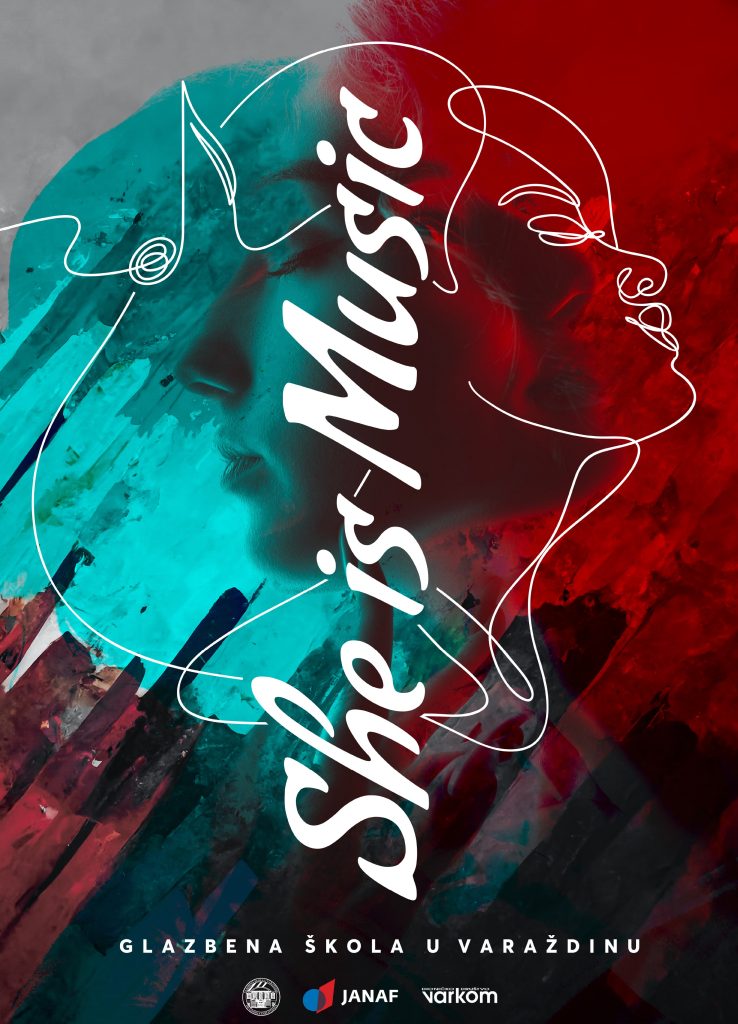
Project · 2023
She is Music
She is Music is a project co-developed in 2023 with the Varaždin Music School to increase the visibility of female composers in music education and concert practice.
Read more →
Published · 2019
Transformation und Polyphonie in Klaus Hubers Die Seele muss vom Reittier steigen
(pp. 629–640) in Musik im Zusammenhang. Festschrift Peter Revers zum 65. Geburtstag, ed. Klaus Aringer, Christian Utz, Thomas Wozonig, Hollitzer Verlag, Vienna, 2019.
Read more →